




NEWS
PSL Capital Limited Announces Rebranding, Changes Name To Parthian Securities Limited


- /home/porsch10/public_html/wp-content/plugins/mvp-social-buttons/mvp-social-buttons.php on line 27
https://porscheclassy.com/wp-content/uploads/2021/10/PSL-Boss.png&description=PSL Capital Limited Announces Rebranding, Changes Name To Parthian Securities Limited', 'pinterestShare', 'width=750,height=350'); return false;" title="Pin This Post">
- Share
- Tweet /home/porsch10/public_html/wp-content/plugins/mvp-social-buttons/mvp-social-buttons.php on line 69
https://porscheclassy.com/wp-content/uploads/2021/10/PSL-Boss.png&description=PSL Capital Limited Announces Rebranding, Changes Name To Parthian Securities Limited', 'pinterestShare', 'width=750,height=350'); return false;" title="Pin This Post">

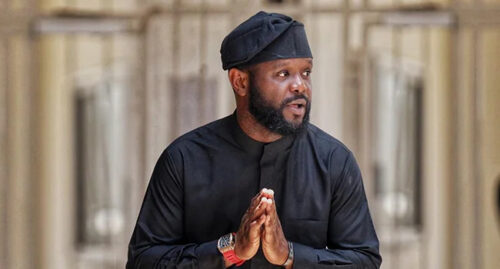
The Alaafin of Oyo, Oba Abimbola Owoade, is set to install Seyi, the son of President Bola Tinubu, as the “Okanlomo of Yorubaland” on Saturday.
The monarch on the same occasion will also install Senator Abdul’Aziz Yari representing Zamfara West as the “Obaloyin of Yorubaland”.
The chieftaincy installation of the duo was contained in a flyer that was obtained on social media platforms on Wednesday.
In the flyer, the monarch and his wife, Ayaba Abiwumi Owoade, invited the general public to the event and implored them to save the date, as it was scheduled to take place on Saturday, December 21, 2025.
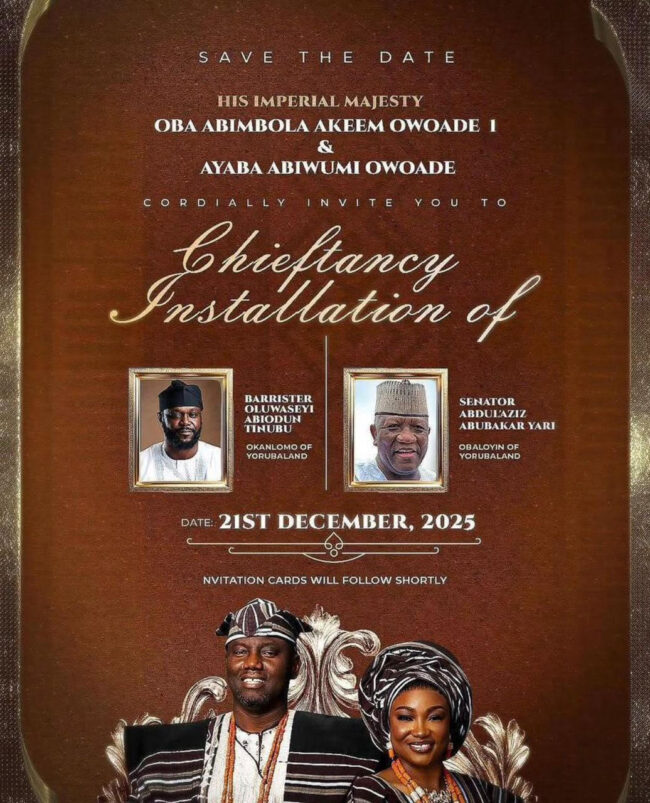
“Okanlomo of Yorubaland” is a prestigious Yoruba title meaning “the one dear to the hearts of all Yoruba people” or “beloved child,” signifying deep affection and importance to the race.
Confirming the chieftaincy installation to our correspondent in a telephone conversation on Wednesday, the Alaafin’s media aide, Bode Durojaiye, said it is true and that the event will hold as planned.
He affirmed that the press statement for the said event would be made available to journalists any time soon.
“Yes, it is true. The Alaafin of Oyo wants to install Seyi Tinubu as the Okanlomo of Yorubaland and Senator Abdul’Aziz Yari as the Obaloyin of Yorubaland.
“The press statement on the said event would be made available today or anytime soon,” he said.
This was coming a few months after Alaafin’s counterpart, the Ooni of Ife, Oba Enitan Ogunwusi, bestowed the title of “Okanlomo of Oodua” on an Ibadan-born philanthropist and the Bada Olubadan designate, Dotun Sanusi.
This title sparked supremacy controversy between the two respected monarchs of Yorubaland, but was quelled by the region’s stakeholders.
Recently, the Ooni also conferred the First Lady, Remi Tinubu, with the prestigious chieftaincy title of Yeye Asiwaju Gbogbo Ile Oodua.
Arriving at the Ooni’s palace around 1 pm amid fanfare and heightened security, Mrs Tinubu was received by the monarch and his chiefs.
The installation ceremony, held at the Palace Square, coincided with celebrations marking Oba Ogunwusi’s 10th coronation anniversary.
The event drew a gathering of traditional rulers and dignitaries from across Yorubaland, including the Olu of Warri, Ogiame Atuwatse III; the Sultan of Sokoto; and the Soun of Ogbomoso, alongside cultural leaders and other notable personalities.
The title Yeye Asiwaju Gbogbo Ile Oodua carries historical significance, having been previously held by the late Hannah Idowu Dideolu Awolowo, wife of the revered statesman Chief Obafemi Awolowo.
The title Yeye Asiwaju Gbogbo Ile Oodua carries historical significance, having been previously held by the late Hannah Idowu Dideolu Awolowo, wife of the revered statesman Chief Obafemi Awolowo.
It is a recognition of leadership, influence, and contributions to society, particularly within the Yoruba cultural sphere.

BIG STORY
Nigeria To Receive 24 M-346 Fighter Jets From Italy, ‘Largest’ Military Aircraft Acquisition In West Africa




-
 BIG STORY2 days ago
Petrol Price War Turns Dirty As Dangote Accuses NMDPRA Boss Farouk Ahmed Of Paying $5m For His Children Secondary School Fees In Switzerland
-
BIG STORY1 day ago
Dangote Releases Details of ‘$5m Spent By NMDPRA CEO’ On His Children’s Secondary School Education In Switzerland [PHOTO]
-
 BIG STORY1 day ago
Buhari Believed Aso Rock Gossip I Planned Killing Him, Began Locking His Room —— Aisha
-
 BIG STORY1 day ago
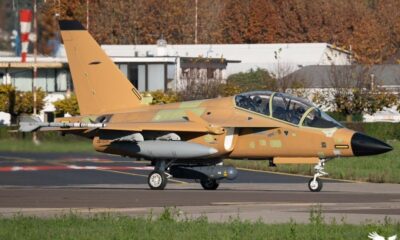
Nigeria To Receive 24 M-346 Fighter Jets From Italy, ‘Largest’ Military Aircraft Acquisition In West Africa
-

 BIG STORY13 hours ago
US Adds Nigeria To List of Countries Facing Partial Travel Restrictions
-
BIG STORY1 day ago
BREAKING: Dangote Petitions ICPC, Demands Arrest of NMDPRA Boss Ahmed Farouk Over Corruption Allegations
-

 BIG STORY2 days ago
FRSC To Prosecute TikToker Peller Over Alleged Reckless Driving
-
 BIG STORY2 days ago
BREAKING: Ex-AGF Malami Asks EFCC Chairman Olukoyede To Step Aside, Alleges Bias, Personal Vendetta