Connect with us


BIG STORY

Banks Move To Limit Over-The-Counter Withdrawals To N10,000

Published

on

banking-hall (1)

Customers of Deposit Money Banks, DMBs, may be faced with a new across-the counter cash withdrawal limit to be pegged at N10, 000.

It was learned,weekend, that the DMBs, under the aegis of the Bankers Committee, have already approached the Central Bank of Nigeria, CBN, to propose the limit.

Sources said the measure being contemplated would drastically reduce the number of customers that would need to physically visit banking halls for transactions.

The DMBs, sources said, wanted to achieve two objectives via this strategy, if approved by the CBN. The objectives include greater use of electronic banking and smaller workforce – as a means of cutting cost of operations.

Already, some banks had laid off many workers, citing operational losses, especially as the Federal Government Treasury Single Account Policy, TSA, has deprived them of federal government deposits.

It took the intervention of the Federal Government, which even had to threaten banks with severe sanctions, including the withdrawal of their licences, to pull back on the gale of mass sack.

A ‘State of the Economy’ document of the apex bank presented to the Bankers’ Committee in Abuja, last Thursday, showed that unaudited Profit Before Tax of banks for the period ended April 2016 indicated a decrease from N222 billion in April last year to N198 billion, representing a 10.8 per cent or N24 billion decrease.

“The decline was driven largely by a decrease in both interest and non-interests income which decline by 6 per cent or N50 billion and 54 per cent of N259 billion, respectively,” the document read.

It explained that the banking sector was still faced with a lot of pressure points, some of which it listed as resurgence of inflationary pressures in the face of negative output growth, continuing low oil prices, and lack of fiscal buffers.

In addition, the apex bank said capital flow reversals, rising pressure on exchange rate in the face of declining external reserves, huge growth in credit to the government to compensate for declining oil receipts were other major challenges confronting the industry.

Advertisement

1 Comment

1 Comment

  1. mozaino

    June 14, 2016 at 8:26 am

    This will bring a lot of problems..like those without Internet enabled phone , how would they transact their businesses? Many of them are illiterate and can’t operate smartphone

Leave a Reply

Your email address will not be published. Required fields are marked *

This site uses Akismet to reduce spam. Learn how your comment data is processed.

BIG STORY

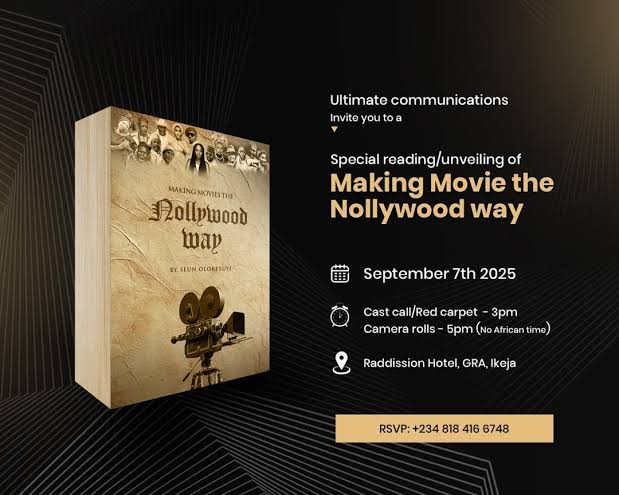
Why Making Movies The Nollywood Way Is An Important Book — By Niran Adedokun

Published

on

“The 1992 release of Living in Bondage has been widely touted as the beginning of new Nollywood as we know it. This was when Nigerian filmmaking transitioned into portable can-be-watched at home VHS-recorded movies. And as viewing options transformed from clunky VHSs to lightweight CD-ROMs and subsequently to ubiquitous internet-based streaming platforms, Nollywood has also evolved to include new stories, actors, production techniques, production crews and filmmakers. While most of these transitions and players have been captured in books, documentaries and other media formats, little to nothing has been done to document the filmmaking process the Nollywood way.

What this implied was that new and aspiring filmmakers had no handbook they could turn to for guidance on what they need to know, have and be to produce a movie in Nigeria. Such newbies could only rely on snippets from interviews or if lucky, studying at a filmmaking school or getting a chance to learn practically by working on a movie set. Although studying and learning by doing have advantages, they do not give the benefit of drawing from the wealth of experience of multiple veteran filmmakers at the same time, which limits new filmmakers’ worldview and consequently the quality of work they produce.

Having identified and seen the need to close this gap, Seun Oloketuyi embarked on an audacious project, the result of which is this book. In Making Movies the Nollywood Way, Seun set to answer seven essential questions, the answers of which would set aspiring and new filmmakers on the path to success: 1. What does the filmmaking process entail? 2. What is filmmaking in Nigeria like? 3. How does timing work in Nollywood? 4. What funding options are available, and budgeting considerations should a Nigerian filmmaker factor in? 5. What challenges, in addition to location scouting, should filmmakers watch out for? 6. What are the key ingredients for success and marketing in Nollywood? And finally, how does a typical day on set look like for a Nollywood filmmaker?

To answer these questions, Seun turns to the “who’s who”, the major players, the ace directors and filmmakers across Nollywood with decades of experience and scores of movies in their portfolios. From Tope Oshin to Biodun Stephen, Ibrahim “Itele” Yekini, Robert Peters, Wale Adenuga, Tade Ogidan, Zeb Ejiro, Ayo “AY” Makun, Emem Isong, Zik Zulu Okafor, Rogers Ofime, Fidelis Duker, Lancelot Imasuen, and Ali Nuhu. Thankfully, these movie afficionados do not hold back. From having to work with tight or non-existent budgets to battling louts who frustrate film shoots to identifying knowing the right stories that captivates the Nigerian audience. The unvarnished truth is laid bare and the joys and frustrations of filmmaking the Nollywood way are exposed, with the hope of steering the course of the next generation of filmmakers

I am not surprised at what Oloketuyi has documented. Rather, I find myself asking, what took him so long? I have known and collaborated with Mr Oloketuyi for nearly three decades. I have followed with admiration the great work he has been doing in ensuring the Nigerian film industry gets the accolades and recognition due it. This was part of why he established the “Best of Nollywood” Awards in 2009, to annually recognise outstanding achievements in Nollywood. Having dabbled into filmmaking himself, Seun is able to empathise with filmmakers and with his decades of experience working in the industry he knows where the shoe pinches.

In writing this book, Oloketuyi has further shown that he is concerned not only about the present but the future of Nollywood. This book is a timely resource for everyone who is interested in filmmaking in general and especially filmmaking the Nigerian way. I urge aspiring, young and new movie makers to read, imbibe and apply the copious lessons it has to offer. As they say, experience is the best teacher, but it doesn’t necessarily have to be one’s own experience. Reading this book will ensure new filmmakers do not need to reinvent the wheel by waste time, money, and other resources in navigating the filmmaking business in Nigeria. With this book, you do not get frustrated before you even begin like is the experience of many people.

This book is also recommended to decision makers, policy makers, government agencies and other stakeholders who have the power to shape and influence the filmmaking industry. Tales of poor funding and other infrastructural deficits are rife within this book, begging for an urgent intervention to promote the survival and sustainability of Nollywood. A well-functioning Nollywood is essential if the next generation of thespians and film production experts are to embrace it as a career path. It if critical to the future of the country, and the urgent need for it to diversity its economy and make harness the endless potential in this largely privately motivated industry.


Niran Adedokun

Author of Ladies Calling the Shots

Continue Reading

BIG STORY

Ex-Commissioner Jude Dakur Announces Plateau Governorship Bid Under APC, Gets Party Stakeholders’ Backing [PHOTOS]

Published

on

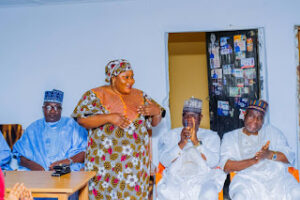
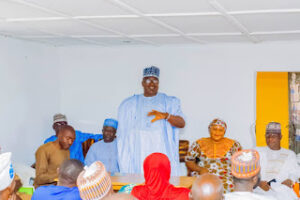
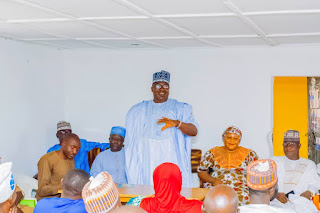
The political atmosphere in Plateau State gained fresh momentum on Friday as Hon. Jude Eli Dakur formally declared his intention to contest for the governorship of Plateau State in 2027 under the platform of the All Progressives Congress (APC).

Dakur made the declaration before the leadership of the APC in Kerang Ward, his immediate ward, as well as the Mangu Local Government Executive Committee and members of the State Executive Council. His announcement was met with overwhelming support from stakeholders, party leaders, and enthusiastic supporters who commended his courage and readiness to serve.

A former Commissioner of Education and Commissioner for Mineral Development in the state, Dakur is regarded as an experienced administrator with the skills to drive growth and development.

Speaking at the event, Dakur reaffirmed his passion for the progress of Plateau State and pledged to bring vision, integrity, and competence into governance if elected governor.

Grassroots mobilisers and various organisations present pledged their commitment to the “Faith Project” movement, promising to spread the message of transformation and unity across communities in the state.

The declaration has set the stage for what supporters describe as a new wave of political momentum for the APC in Plateau State as preparations for the 2027 elections gather pace.

Continue Reading

BIG STORY

BREAKING: Ibrahim Shatta Loses Son Few Days After Peju Ogunmola Lost Only Son

Published

on

Popular Yoruba actor and filmmaker, Ibrahim Chatta, has announced the death of his son.

The actor broke the news on his Instagram page on Saturday, expressing grief and submitting to the will of God.

“Inna liLlahi wa inna ileyhi rajiun. Ya Allah, You are the Knower of all things. Rest on Dear Son, Champ,” he wrote.

Chatta’s loss comes only days after fellow actress Peju Ogunmola also lost her only son with veteran actor Sunday Omobolanle, popularly known as Papi Luwe.

The twin tragedies have thrown Nollywood into mourning, with condolences pouring in from colleagues and fans of both families.

Continue Reading


Join Us On Facebook

Most Popular