




BIG STORY
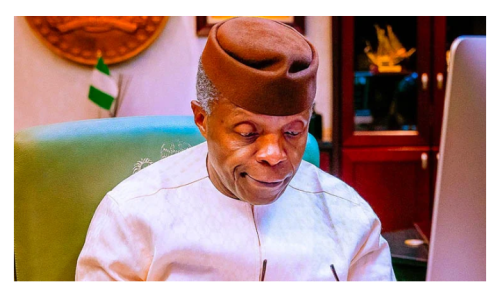
2023 Presidency: My 7-Years Experience As VP Will Help Me Fix Nigeria – Osinbajo

- /home/porsch10/public_html/wp-content/plugins/mvp-social-buttons/mvp-social-buttons.php on line 27
https://porscheclassy.com/wp-content/uploads/2022/03/Screenshot_20220304-154008-e1646893068797.png&description=2023 Presidency: My 7-Years Experience As VP Will Help Me Fix Nigeria – Osinbajo', 'pinterestShare', 'width=750,height=350'); return false;" title="Pin This Post">
- Share
- Tweet /home/porsch10/public_html/wp-content/plugins/mvp-social-buttons/mvp-social-buttons.php on line 69
https://porscheclassy.com/wp-content/uploads/2022/03/Screenshot_20220304-154008-e1646893068797.png&description=2023 Presidency: My 7-Years Experience As VP Will Help Me Fix Nigeria – Osinbajo', 'pinterestShare', 'width=750,height=350'); return false;" title="Pin This Post">






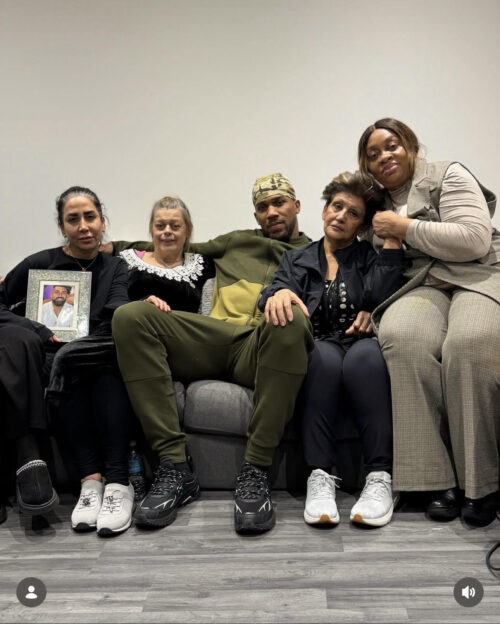
Former world heavyweight boxing champion Anthony Joshua has made his first social media post since a fatal car accident in Nigeria that claimed the lives of two close friends and team members.
Joshua sustained minor injuries in the incident that killed his friends, Sina Ghami and Latif “Latz” Ayodele, on Monday, December 29, on the Lagos–Ibadan Expressway.
The 36-year-old boxer, who was discharged from the hospital on New Year’s Eve, returned to the United Kingdom on Saturday.
He made his first public comment since the accident in a post across his social media handles on Sunday.
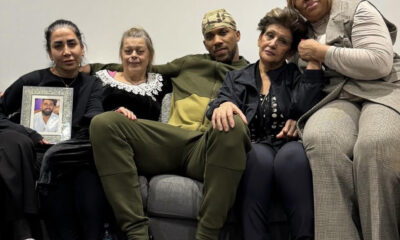
Joshua shared the post, pictured alongside the families of Sina and Latz, with the caption “My Brother’s Keeper ❤️🕊️❤️.”
Anthony Joshua poses with the families of deceased friends. Source: Instagram | Joshua
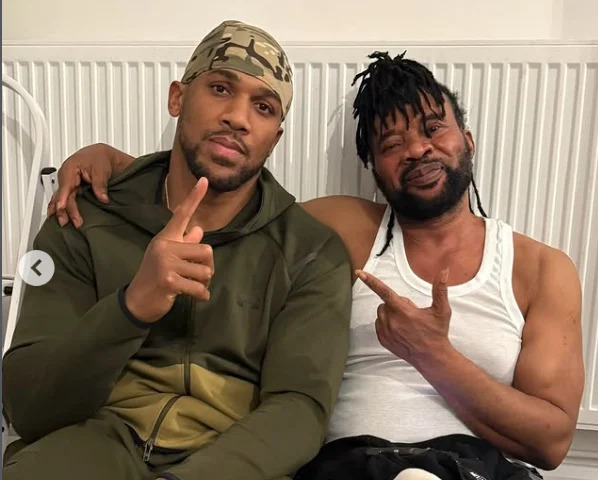
The image, posted across his social media pages, shows the ex-heavyweight champion offering support and solidarity.
Both Sina and Latz will be laid to rest later on Sunday (today).
The accident occurred when Joshua’s SUV, carrying the boxer and three others, collided with a stationary truck due to reported brake failure.
Joshua, who had just arrived in Nigeria for a holiday following his recent knockout victory over Jake Paul, narrowly escaped death after switching from the front passenger seat to the back moments before the impact, a move prompted by his size obstructing the driver’s view.
He sustained a leg fracture but was reported to be in stable condition without needing emergency medical intervention.
BIG STORY
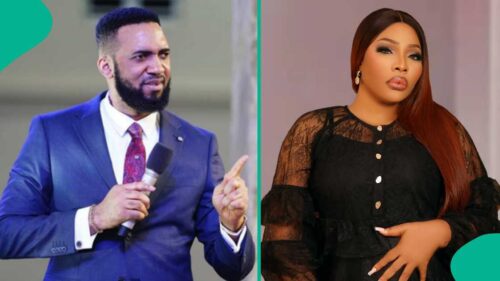
Lagos Police Commissioner Orders SCID To Probe Pastor Okafor Over Multiple Sex Scandal Allegations





-

 BIG STORY4 days ago
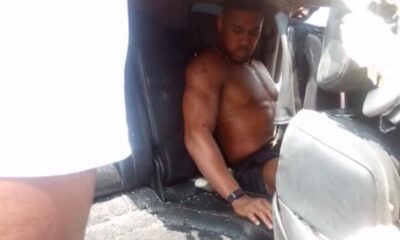
Anthony Joshua Leaves Hospital, Inspects Late Friends’ Bodies at Funeral Home with His Mother
-
 Uncategorized4 days ago
Family Demands Access To Anthony Joshua After Fatal Crash, FRSC Awaits Probe Report
-
 BIG STORY13 hours ago
Anthony Joshua Returns To UK, Pays Tribute To Deceased Friends In Emotional Post [PHOTOS]
-
 BIG STORY4 days ago
Tinubu Pledges Strong Economic Rebound In 2026, Says New Year Will Be More Prosperous
-
 BIG STORY4 days ago
Peter Obi Dumps Labour Party For ADC, Rallies Opposition For 2027
-
 BIG STORY13 hours ago
Lagos Police Commissioner Orders SCID To Probe Pastor Okafor Over Multiple Sex Scandal Allegations
-

 BIG STORY3 days ago
Adron Homes Appreciates Customers Worldwide, Reaffirms Affordable Housing Drive in 2026
-
 BUSINESS1 day ago
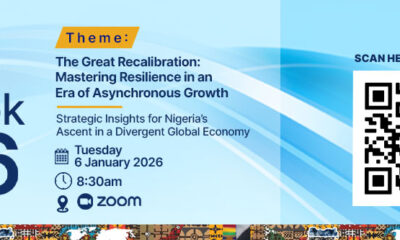
FirstBank Hosts Nigeria Economic Outlook 2026, Leads Conversation on Economic Growth